
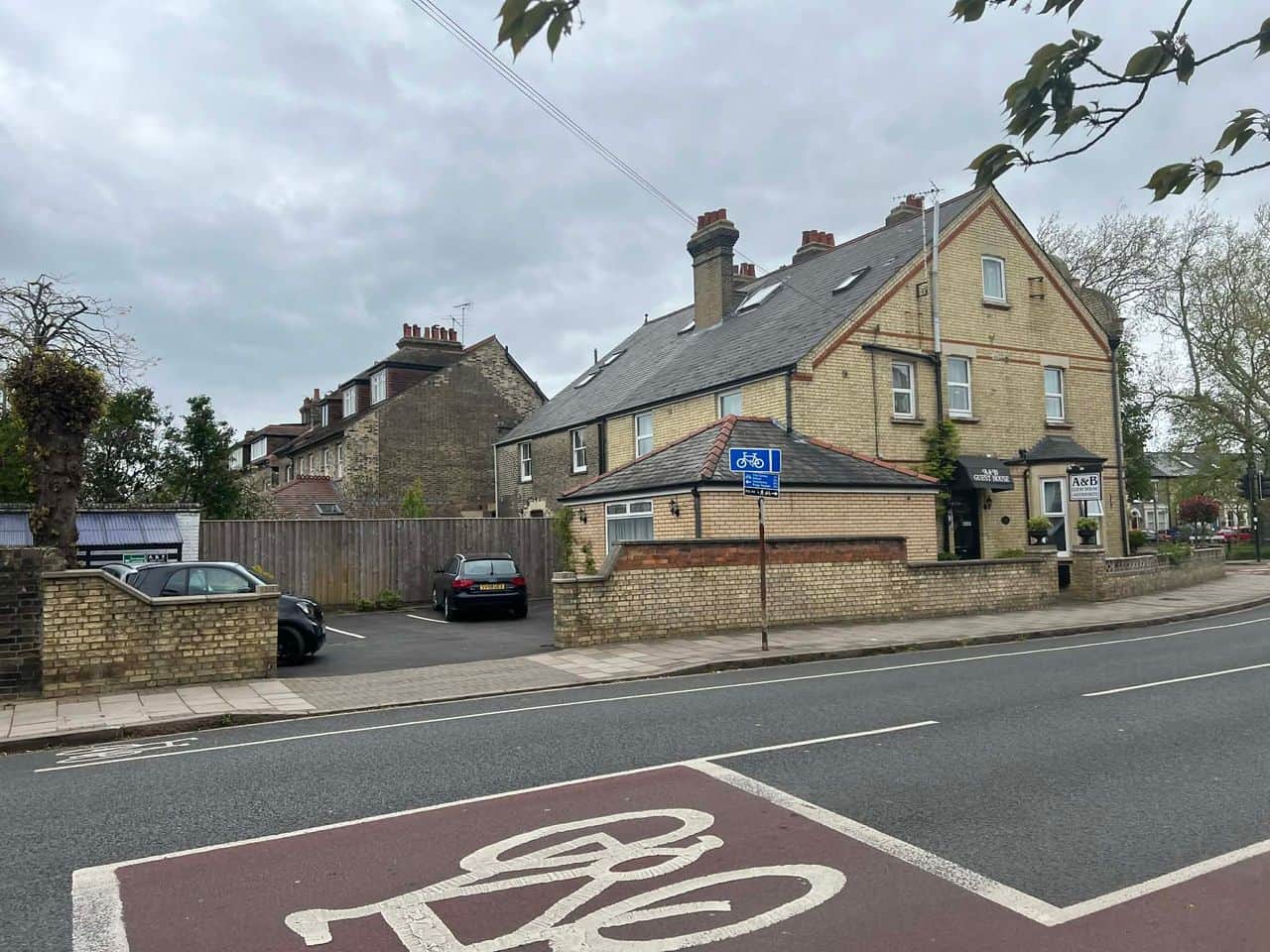
Located just a stone’s throw away from the city centre, A&B Guest House offers easy access to all the attractions and amenities that Cambridge has to offer. Whether you’re here for business or leisure, our prime location makes it easy to explore the city.
Loading map...
Parking is available on a first come first served basis at £15 per car, per day.
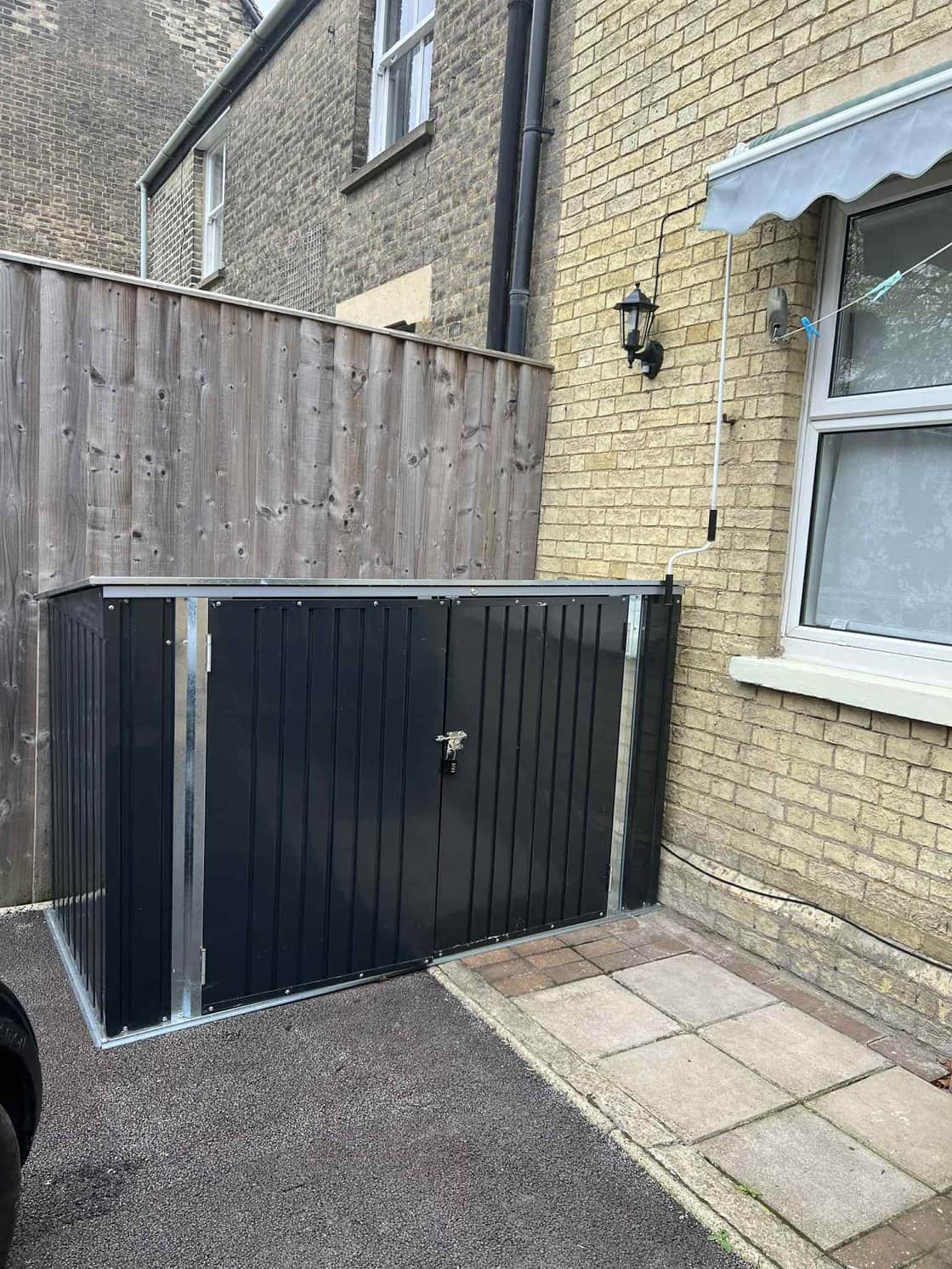
A&B Guest House Cambridge offers a secure, lockable bike shed, providing safe and convenient storage throughout your stay. Enjoy exploring Cambridge on two wheels, knowing your bicycle is protected and easily accessible whenever you need it.
Most visitors to Cambridge come to see the sights, as it has such a rich heritage and has a big place in history. Many of the the sites, commons and roads all have their place and links to the past and you will come across many during your stay. The road that our guesthouse sits, Tenison Road is one of the many ..
Excellent train connection; 50 minutes to London, 35 minutes to Stansted Airport and 20 minutes from the historical city of Ely.
Walking distance to Cambridge's cultural attractions such as King's College, Downing College, Anglia Ruskin University, Fitzwilliam Museum and Botanic Gardens. Buses to all parts of Cambridge, including Addenbrookes Hospital, City Tour and Duxford airshow busses.
If there is something specific you fancy, catch me when you book in and I will help steer you in the right direction. There are, however, some great places to start...
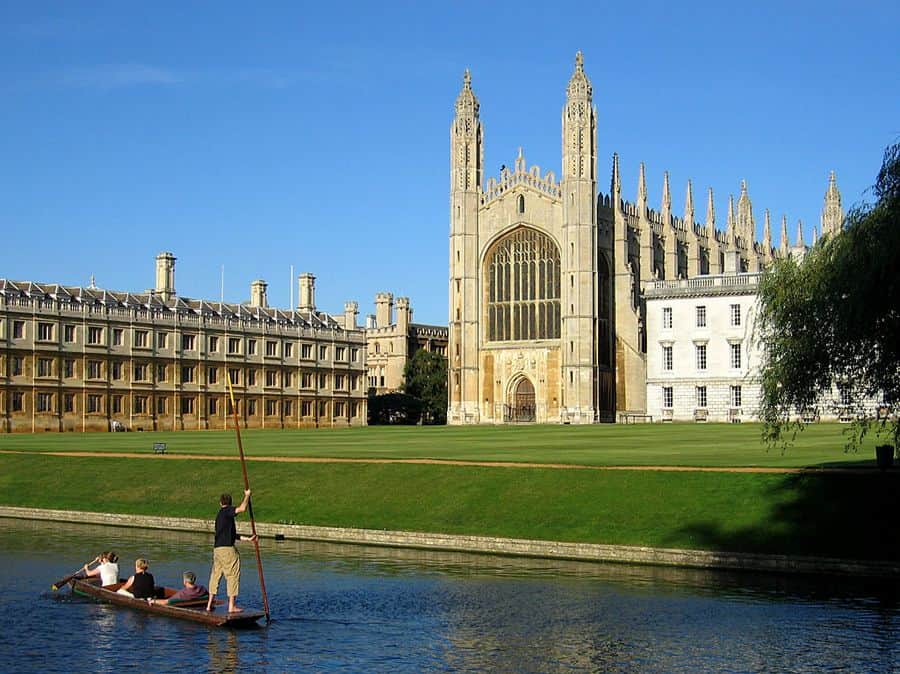
Cambridge is home to some of the world’s most celebrated universities, and staying with us puts you within easy reach of them all. Visitors can explore the historic colleges of the University of Cambridge, from the iconic King’s College Chapel to the riverside charm of Trinity and St John’s. Anglia Ruskin University adds a vibrant modern campus to the city’s academic landscape, known for its creative arts, business, and health sciences. Together, these institutions give Cambridge its unique blend of tradition, innovation, and youthful energy—perfect for curious travellers who want to experience the city’s scholarly spirit up close.
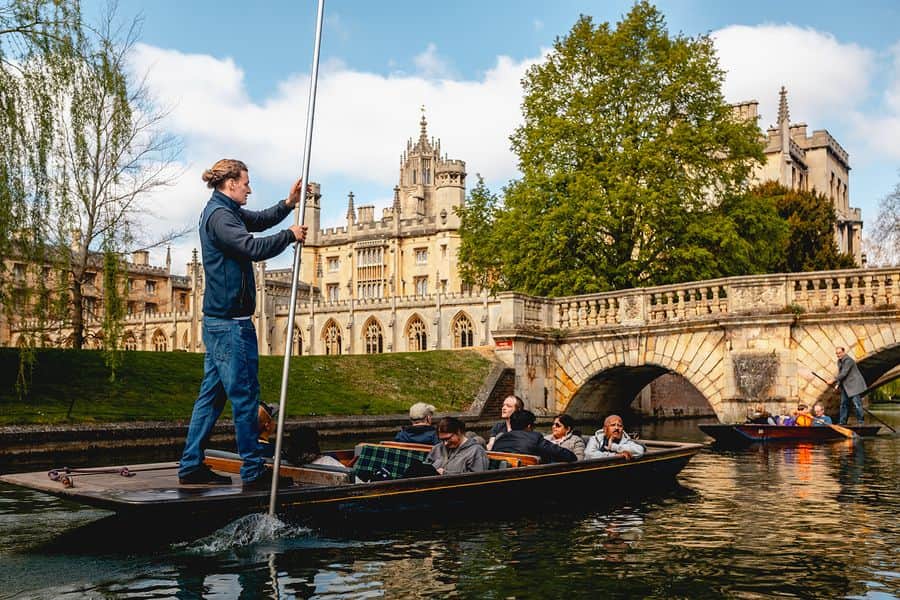
No trip to Cambridge is complete without experiencing punting, one of the city’s most charming traditions. Guests can join a guided tour along the River Cam, where expert chauffeurs share stories of the colleges, bridges, and famous alumni as you glide past stunning architecture. For those who prefer a little adventure, hiring your own punt is a wonderful way to explore at your own pace—perfect for relaxed afternoons, spontaneous picnics, or simply drifting beneath the willows. Whether guided or self‑steered, punting offers a uniquely Cambridge perspective on the city’s history and beauty.
Links
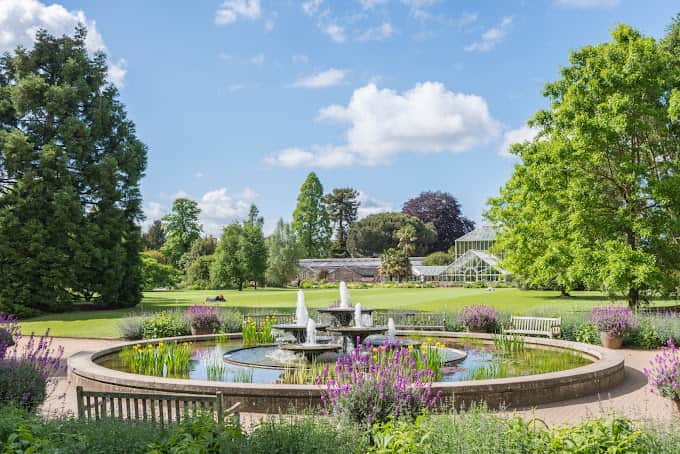
Cambridge University Botanic Garden (CUBG) holds a collection of over 8,000 plant species from all over the world to facilitate teaching and research. The Garden provides resources including plant material, horticultural expertise and facilities to research workers and lecturers. Since its foundation, however, the Garden has also provided a beautiful place for everybody to enjoy and benefit from – a series of wonderful landscapes through which to discover the drama of plant diversity.
Links
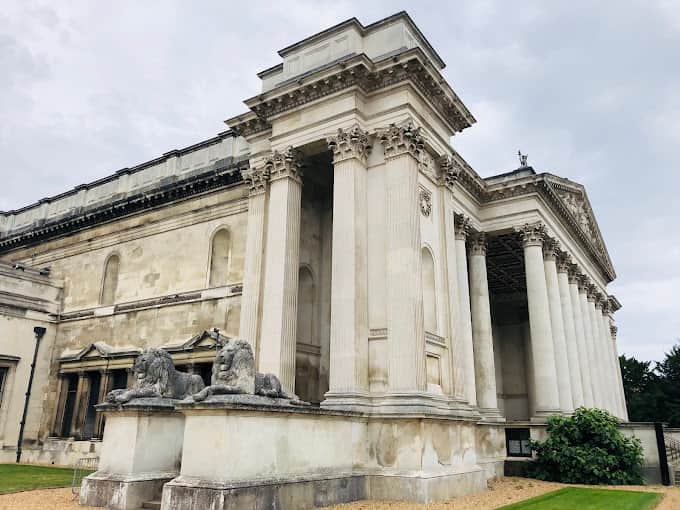
The Fitzwilliam is the first museum that comes to mind when you are thinking of Cambridge but did you know there are so many more. The Fitzwilliam is the art and antiquities museum of the University of Cambridge. It is located on Trumpington Street opposite Fitzwilliam Street in central Cambridge. It was founded in 1816 under the will of Richard FitzWilliam, 7th Viscount FitzWilliam, and comprises one of the best collections of antiquities and modern art in western Europe.There are however, many other museum's one of which is the Sedgwick Museum of Earth Sciences, is the geology museum of the University of Cambridge. It is part of the Department of Earth Sciences and is located on the University's Downing Site in Downing Street, central Cambridge, England. The Sedgwick Museum is the oldest of the eight museums which make up the University of Cambridge Museums consortium.Other notable museums in the area are the Museum of Cambridge on Castle Street and, for the techie out there, the Centre for Computing history.
Links
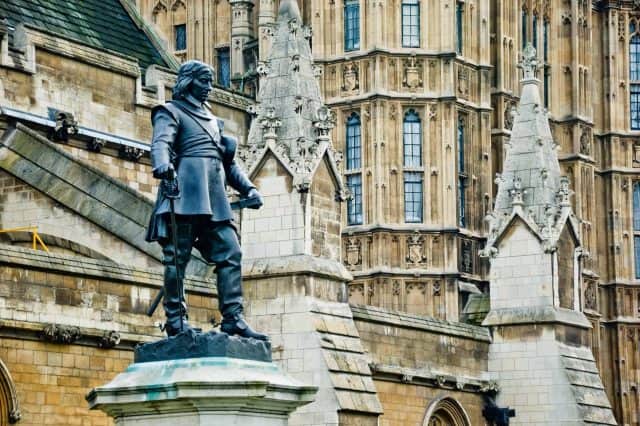
Wandering into the Cambridge centre, you’ll find many galleries tucked away in the side streets, but the ones on the do‑not‑miss list include Kettle’s Yard, home to an inspiring collection of modern art, and its neighbouring gallery showcasing contemporary exhibitions. Cambridge is alive with creativity, offering guests a rich mix of performance, music, and culture throughout the year. The Junction stands out as a vibrant hub for contemporary arts, hosting everything from cutting‑edge theatre to live music and comedy. Each summer, the world‑renowned Cambridge Folk Festival brings together global artists and a warm, community‑driven atmosphere that fills the city with music. For lovers of theatre, the Cambridge Arts Theatre presents an exceptional programme of drama, dance, and touring productions. And right in the heart of the city, the Cambridge Corn Exchange offers a packed calendar of concerts, comedy, and major touring shows, making it one of the region’s most iconic performance venues.
Links
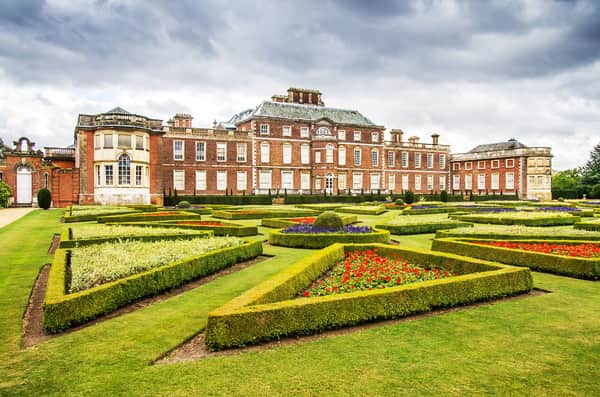
Cambridge is blessed with an abundance of peaceful gardens and historic parklands, offering guests a refreshing escape into nature. Wandlebury Country Park, set within the rolling Gog Magog Hills, is perfect for woodland walks, wildlife spotting, and enjoying tranquil views steeped in Iron Age history. Just a short drive away, the grand Wimpole Estate combines beautifully kept gardens, a working farm, and miles of scenic trails that showcase the best of the Cambridgeshire countryside. Closer to the city, the idyllic Grantchester Meadows offers a quintessentially Cambridge experience, with riverside paths, grazing cows, and wide‑open green spaces ideal for picnics or leisurely strolls. Together, these landscapes give visitors a chance to unwind and experience the quieter, restorative side of the region.
Links
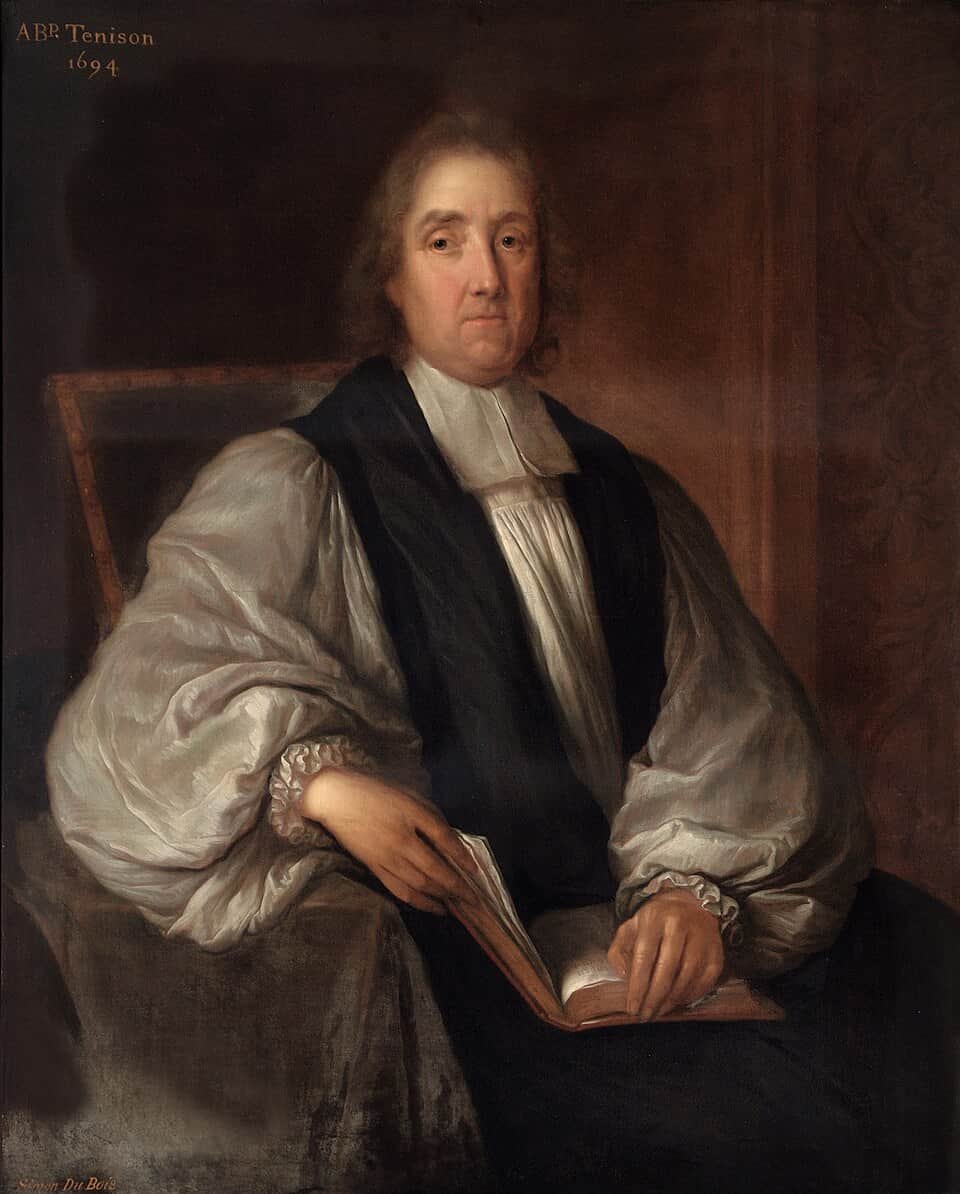
Thomas Tenison (29 Sep 1636 - 14 Dec 1715)
Thomas, who shares my birthday, was an English church leader and the Archbishop of Canterbury from 1694 until his death. He was born locally in Cottenham, just 4 miles outside Cambridge and was educated at the free school in Norwich and then onto Corpus Christi College here in Cambridge as a scholar on Archbishop Mathew Parkers foundation. As vicar of St. Andrew the Great in Cambridge he set an example with his devoted attention to the sufferers from the plague. He attended Queen Mary during her final illness and preached her funeral sermon in Westminster Abbey. During his primary he crowned Queen Anne on 6 Feb 1665 and King George I on 20 Oct 1774.